

Hi Banderas family,
Dental disease is one of the most common conditions we see in pets, but it doesn’t stop at the mouth. Poor oral health can affect the heart, liver, and kidneys, which is why routine dental care is so important.
Why “annual cleanings” aren’t always one-size-fits-all
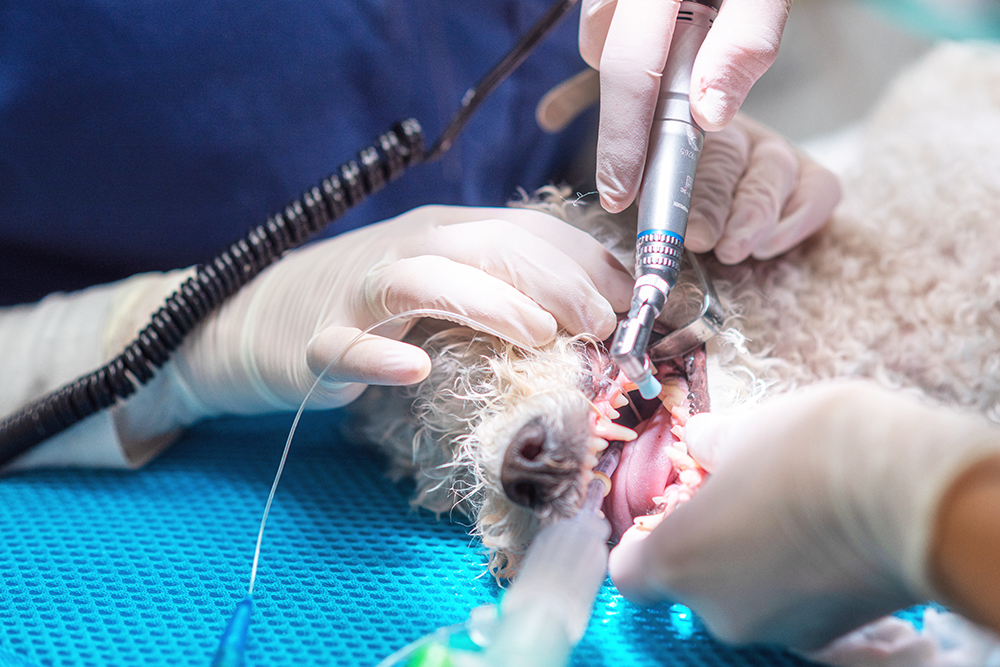
Many clinics recommend a dental cleaning once a year, and that’s a great baseline. I like to take a more tailored approach: some dogs build up plaque and tartar faster than others, while some stay relatively clean. Seeing pets regularly allows me to check their teeth, gums, and overall oral health, and decide when a dental cleaning is truly needed.
We also frequently see elevated liver values in dogs with severe dental disease. The great news? Once the damaged teeth and bone are addressed appropriately, those liver values often improve — sometimes even return to normal. It’s a clear example of how oral health impacts the whole body.
The limits of non-anesthetic cleanings
Non-anesthetic dental cleanings can polish teeth and make them look bright, but they can be deceptive. A tooth may appear clean while a deep pocket under the gum harbors infection or pain. That’s why dental X-rays are the gold standard — they let us see roots, bone, and hidden problems that could otherwise go undetected.
Scientific support for dental care
- Dogs with moderate to severe periodontal disease show microscopic changes in the heart (JAVMA, 2011).
- Periodontal disease can trigger systemic inflammation affecting the liver and kidneys (JVIM, 2021).
- Oral lesions may reflect broader systemic disorders (Frontiers in Veterinary Science, 2024).
Bottom line
Regular dental exams and X-rays, combined with tailored care for each pet, are the best way to keep their mouth — and their whole body — healthy. If your pet’s dental checkup is due, give us a call. We’ll make it easy, safe, and stress-free for your furry friend.
— Dr. Jenna Cooper & the Banderas Pet Hospital Team